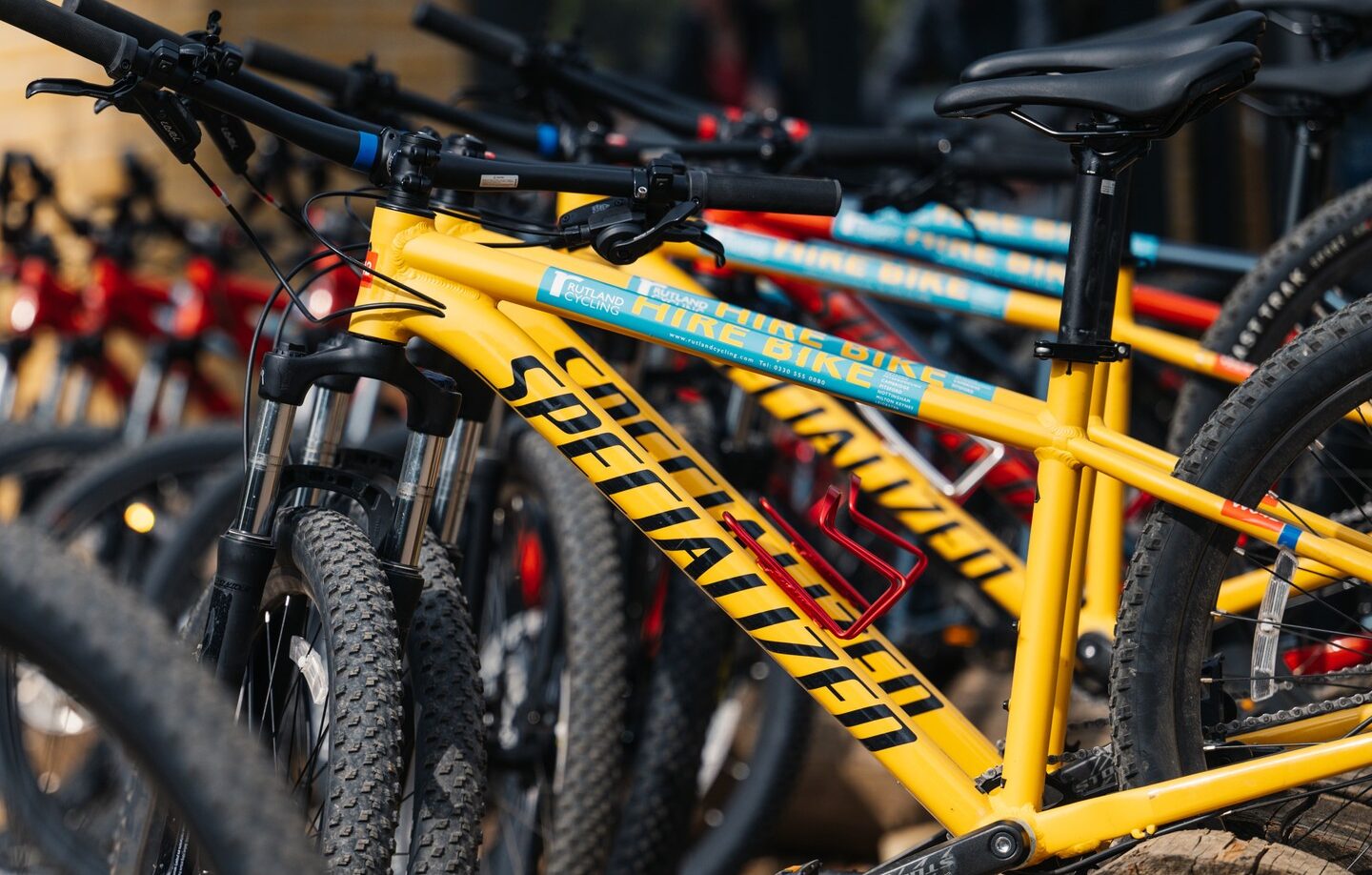
Bike rental businesses don’t become complex overnight; they tend to evolve as inventory size grows, and bookings increase.. The manual checks and casual workarounds that once felt manageable start to get out of hand and feel like you’re operating on the fly.
We generally find the tipping point is somewhere between 10 and 20 bikes. At or above this size if you don’t have a decent system in place things quickly spiral out of control. You end up chasing your tail and never really providing the excellent service your customers demand.
A customer asks about a specific bike on a particular date. You know you probably have one available, but you still need to check. That check might involve looking at a booking system, opening a spreadsheet, asking a colleague, or recalling what was agreed earlier in the day.
So you pause the conversation and say, “Bear with me while I just check.”
It is a familiar moment. But it’s not a sign of poor management. It’s a sign that your most important inventory information is spread across too many sources.
This leads to staff hesitating before confirming bookings. Online reservations arrive after plans have already been made. Real time decisions are taken without visibility of all the facts, and it accumulates making your day-to-day operations more challenging than it needs to be.
What Is Really Causing the Friction
In most established rental businesses we’ve been involved with, the issue is rarely a lack of systems. It’s generally the opposite, too many separate processes or disjointed systems.
Availability information often lives across booking tools, POS systems, paper notes, spreadsheets, and staff knowledge. Each part holds some of the truth, but none of them provide a complete, real-time picture of what’s actually available, where bikes are, and what rental condition they’re in.
Worse still, when customers arrive, the bikes are often not ready because the mechanics were not given the right information about who is arriving on which dates and what bikes are required to be set up and in which specific ways.
This means staff find themselves double checking rather than confirming a booking. Owners often find themselves tethered to day-to-day operations to prevent mistakes, or tidying up mistakes that may have been made. The business keeps moving, but it relies more on experience and intervention than it should.
That gap between bookings and bike preparation is one of the most common pressure points in rental businesses. We explore this in more detail in How Good Rental Shops Know Exactly Which Bikes to Prepare Every Day, where you can find out what the shops getting it right do differently.
What is missing is one clear, trusted view of availability that everyone can rely on.
Why This Starts to Affect More Than Just Bookings
When you are juggling inventory in this way, a number of familiar issues surface.
Enquiries take longer to convert because confirmation isn’t immediate. Bike preparation becomes reactive, especially during busy periods. The risk of overlap or double-booking increases, even with good people doing their best to avoid it. Admin creeps into evenings because there is always something that needs checking or correcting.
There is also a less tangible cost. The business feels harder to control. The pace feels rushed. That moment of saying “just give me a minute while I check” becomes part of daily life, and nobody enjoys being in that position.
Worse still, the customer arrives for a rental – you go out back and his bike is not ready, broken, or out on another rental. Your heart sinks and the customer is disappointed, and unlikely to repeat the experience with you.
Most operators recognise this feeling. But they don’t necessarily describe it as a systems problem, but they definitely feel the pressure it creates.
Losing customers is costly because you did enough in the first place to build up enough trust for them to come back. Check out How To Increase Repeat Bookings Without Increasing Admin to see how to make recognition something part of a system rather than something your team has to remember.
How Growth Makes This Harder to Manage
As the business matures, these issues tend to grow.
Bookings usually come from multiple channels. Demand becomes less predictable, with sharper peaks. New services get added, or maybe additional site locations are brought into the mix. Staff numbers increase, and not everyone has the same level of experience or knowledge.
When you get to this stage of growth, relying on memory, judgement, and manual checks inevitably becomes problematic. The margin for error narrows, and the consequences of getting it wrong increase. What once worked starts to feel like it is holding the business back and increases the daily stress.
One consequence of growth is harder to spot. As more staff handle more rentals, the same popular bikes tend to go out over and over while others sit on the rack. We explain that imbalance and the high costs it imposes on rental businesses in our article, Why Some Bikes Are Overworked While Others Sit Idle.
This is usually the point where owners begin to look for a way to simplify rather than add more process.
What Changes When Availability Is Visible in One Place
The dynamic shifts when availability, bookings, and bike preparation are visible in real-time within a single system.
Staff can answer availability questions confidently and preparation for the day is planned rather than rushed. Online bookings integrate directly into the system instead of needing manual adjustments. Booking decisions can be made based on what is actually happening, not what someone thinks might be happening.
For you as an owner or manager, this clarity reduces the need for you to be constantly involved in day-to-day checks. The business becomes easier to manage, easier to delegate, and easier to grow without increasing admin time or complexity.
Seeing How Other Rental Businesses Approach This
Most bike rental businesses reach this point and decide to bring bookings, availability, and inventory into a single purpose-built system, so everyone works from the same information, and nothing is left to guesswork.
If you want to see how that works in practice, the next step is to look at how Bike Rental Manager supports rental businesses in managing availability and every other day to day operation from a single online platform.
Learn how Bike Rental Manager helps rental businesses simplify availability, bookings, and preparation